




Battery Backup Replacement
KEY TAKEAWAY
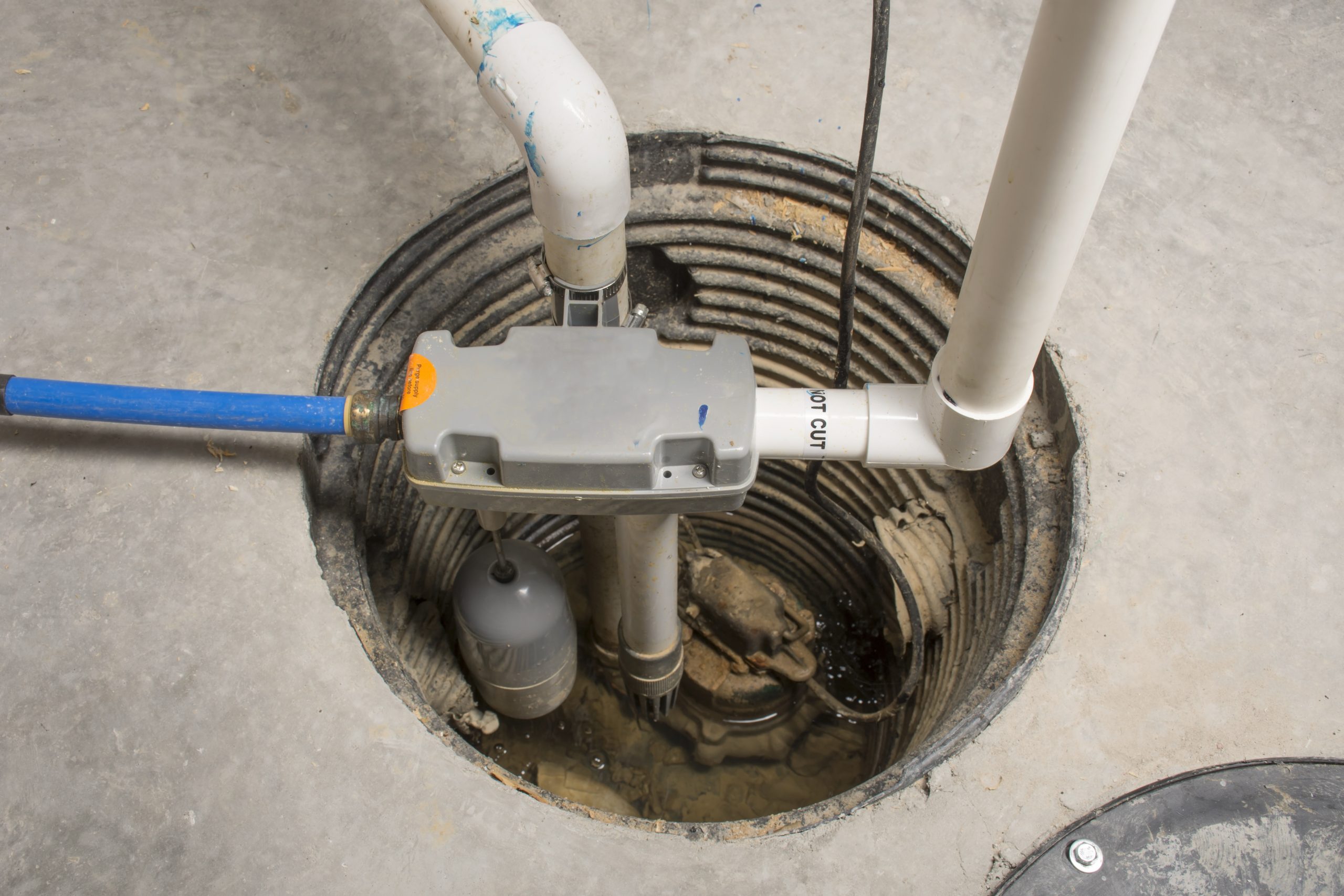
Your primary sump pump runs on electricity — which means it stops working the moment the power goes out. Since outages often happen during the same severe storms that cause flooding, a battery backup sump pump is your last line of defense for keeping your basement dry when it matters most.
How Often Should You Replace Your Sump Pump Battery Backup?
If you’ve invested in a battery backup sump pump, you’re already ahead of most Chicago homeowners. But here’s something many people don’t realize: the battery powering that backup system has a shelf life — and if you don’t replace it on schedule, you may not actually have the protection you think you do.
Why Battery Backups Degrade Over Time
The batteries used in sump pump backup systems — typically deep-cycle lead-acid or AGM batteries — lose their ability to hold a charge over time. This happens even if the battery isn’t being used heavily. The chemical processes inside the battery naturally degrade the cells, reducing capacity gradually and often silently.
The result? A battery that looks fine and passes a basic test might only deliver 20-30% of its original capacity when it’s actually needed. During a six-hour power outage in the middle of a storm, that’s not enough.
The 2-Year Replacement Rule
Most manufacturers and plumbing professionals recommend replacing your backup battery every 2 years. Some batteries may last a bit longer under ideal conditions, but waiting beyond 2 years significantly increases the risk of failure.
Here’s a simple timeline:
Year 1: Battery is at or near full capacity, performing reliably
Year 2: Battery shows early signs of capacity reduction; still functional
Year 3+: Capacity drop accelerates; risk of failure during a storm increases substantially
Year 5+: Battery is near end of life; may fail to power the pump at all
Don’t wait until your alarm goes off or your battery fails a test. Proactive replacement is the only way to guarantee your backup is ready when you need it.
Signs Your Battery May Need Replacement Early
In some cases, you may need to replace your battery sooner than the 2-year mark. Watch for:
– Alarm warnings from your backup system indicating low battery charge
– Sluggish performance — the pump runs but water doesn’t move efficiently
– Visible corrosion on the battery terminals
– Swelling or leaking from the battery casing
– Failure to hold a charge after being plugged in for 24+ hours
– The pump runs but shuts off quickly even with water still in the basin
If you notice any of these, don’t wait — call a plumber to assess and replace the battery immediately.
What About the Pump Itself?
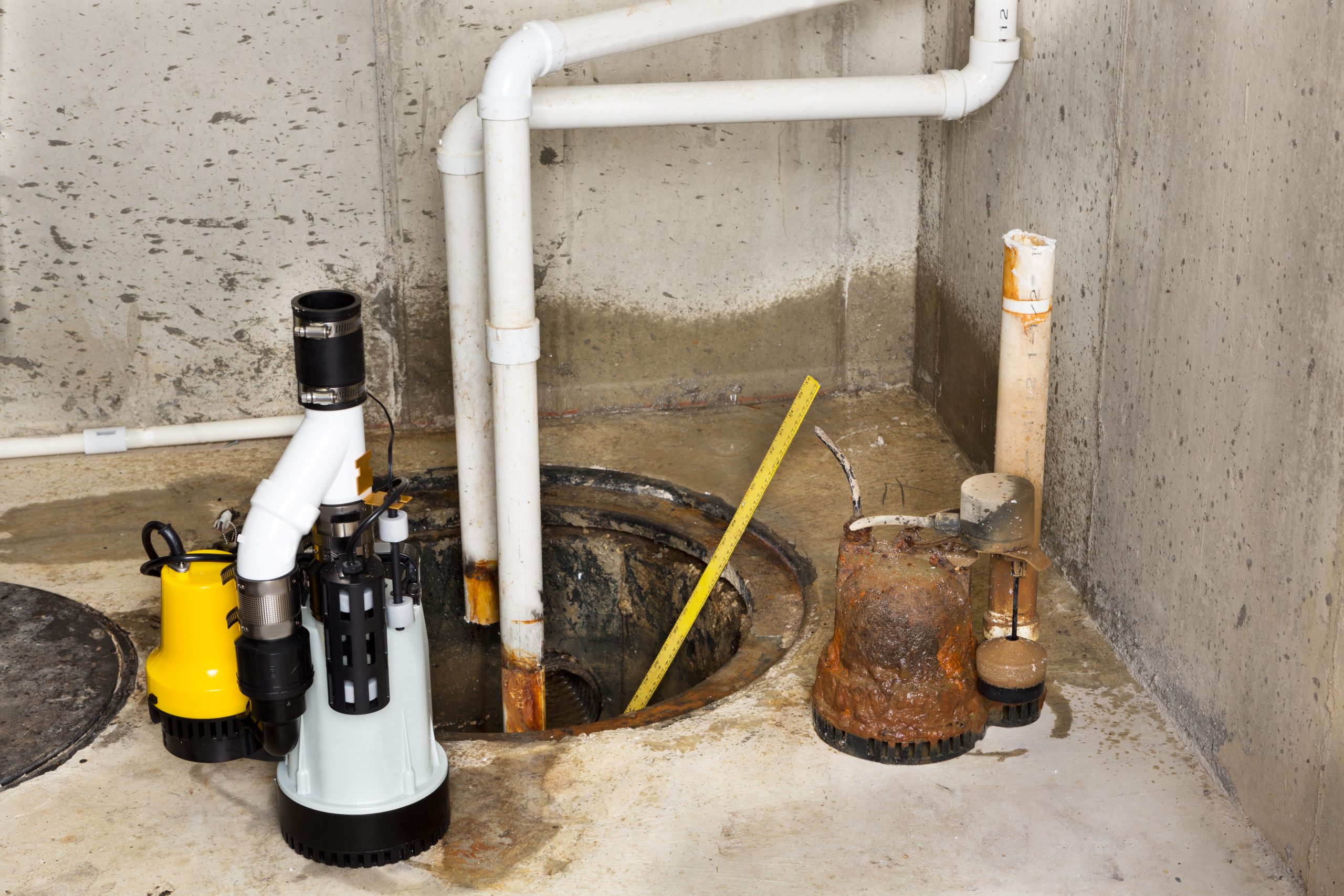
The battery is the most frequently replaced component, but it’s not the only thing that wears out. A full backup sump pump system should be inspected annually, and the pump itself typically lasts 3-5 years before needing replacement.
During an annual inspection, a plumber will: test the backup pump for proper activation and discharge, check battery charge levels and overall condition, inspect electrical connections and terminals, confirm the float switch is working correctly, and clear any debris from the sump basin.
Regular maintenance keeps your backup system ready to perform — not just sitting there giving you a false sense of security.
Plan Ahead Before Storm Season
The best time to replace your backup battery is before spring storm season begins — not during a rainstorm at 2 a.m. If you can’t remember the last time your battery was replaced (or if you’ve never replaced it), that’s a sign it’s time.
The Plumbing Department offers sump pump inspections and battery replacement services throughout Chicago and the surrounding suburbs. Ask us about our membership options which include a whole-home plumbing inspection and a 10% discount for the entire year! Give us a call to get your backup system ready before the next storm hits.