




Signs Your Sump Pump
is Failing
Spring in Chicago means warmer temperatures, melting snow, and heavy seasonal rains—and that combination can put your basement at serious risk for flooding. If you live in Chicago or the surrounding suburbs, now is the time to make sure your sump pump is ready to handle spring storms.
A properly functioning sump pump is one of the most important defenses your home has against water damage. In this guide, we’ll explain how sump pumps work, common warning signs of failure, and why routine maintenance is essential for protecting your home.
Why Your Sump Pump Matters in Chicago
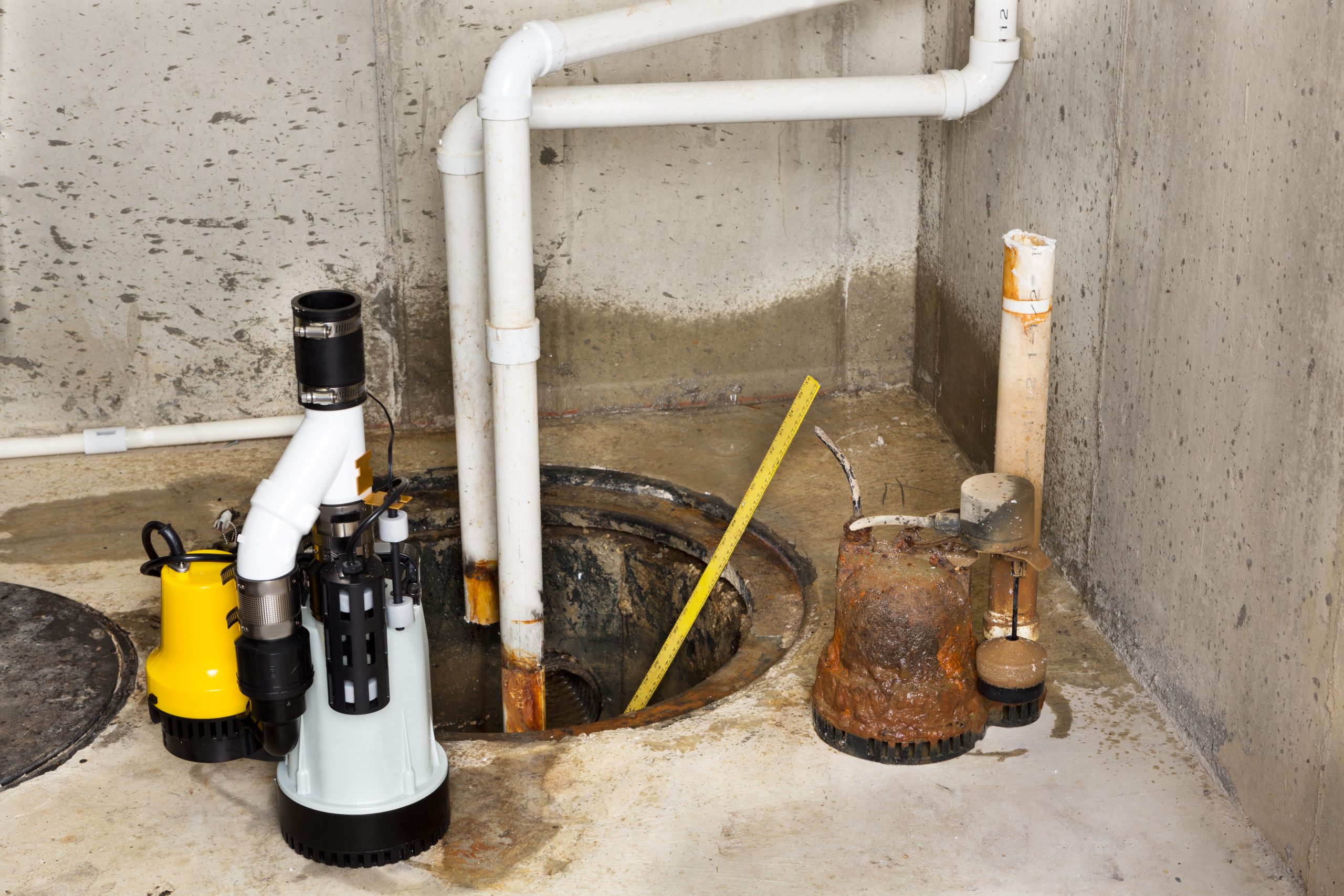
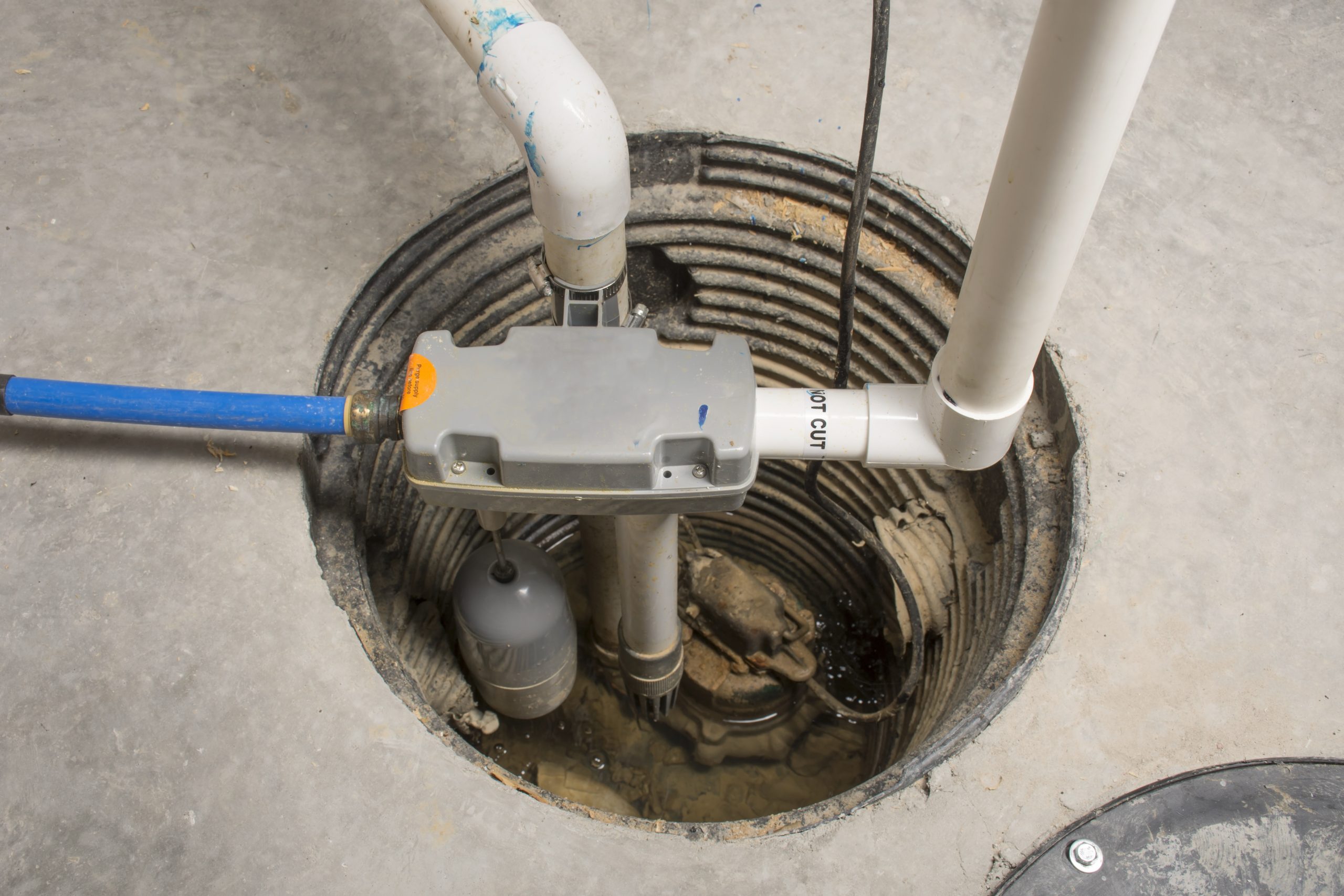
A sump pump is designed to collect groundwater that accumulates in a sump basin (typically located in your basement or crawl space). When water levels rise, the pump automatically activates and pushes water out and away from your home through a discharge pipe.
During Chicago’s rainy spring season, your sump pump helps:
- Prevent basement flooding
- Protect your foundation from water damage
- Reduce the risk of mold and mildew growth
- Safeguard stored belongings and finished basement spaces
- Maintain your home’s value
Without a working sump pump, even a single heavy rainstorm can lead to extensive water damage and costly repairs.
Signs Your Sump Pump May Need Repair
Sump pumps often give warning signs before they fail completely. Catching issues early can save you thousands of dollars in water damage restoration.
Watch for these common sump pump problems:
1. It’s Not Removing Water Effectively
If water remains in the basin or drains slowly, your pump may be clogged, underpowered, or failing.
2. Loud or Unusual Noises
Rattling, grinding, or banging sounds could indicate worn bearings, a damaged impeller, or debris caught inside the pump.
3. Irregular Cycling
- Not turning on when water levels rise
- Turning on and off too frequently
- Running at unusual intervals
These issues often point to float switch problems or electrical concerns.
4. Constantly Running
A sump pump that never shuts off may be overwhelmed, improperly sized, or experiencing a stuck float switch.
5. Visible Leaks
Water around the unit could indicate loose fittings, cracked components, or discharge line issues.
6. Musty or Damp Smell
A persistent odor near the sump basin can signal standing water, bacterial growth, or improper drainage.
7. Rust or Corrosion
Corrosion on the pump or basin can affect performance and lead to premature failure.
If you notice any of these signs, scheduling a professional inspection right away can prevent a major basement flood.
Why Preventative Sump Pump Maintenance Is Essential
Many homeowners don’t think about their sump pump until it stops working—but by then, it may be too late. Regular sump pump maintenance ensures your system is ready before the heavy spring rains begin.
A professional sump pump maintenance appointment typically includes:
- Inspecting the sump pump and all components
- Cleaning the pump and sump basin
- Testing the pump to confirm proper activation and discharge
- Adjusting the float switch as needed
- Lubricating moving parts
- Checking electrical connections for safety
- Inspecting and clearing the discharge pipe
- Verifying water is directed safely away from the foundation
Routine maintenance improves performance, extends the lifespan of your pump, and reduces the risk of emergency repairs.
How Often Should You Service a Sump Pump?
For most Chicago-area homes, we recommend:
- Annual professional maintenance (ideally before spring)
- Testing your pump every few months by pouring water into the basin
- Replacing sump pumps approximately every 7–10 years, depending on usage
If your basement has flooded before, or your pump runs frequently, more frequent inspections may be beneficial. Check out our Membership Options for annual plumbing inspections and discount opportunities!