



Sump Pumps vs. Ejector Pumps; What’s the Difference?
KEY TAKEAWAY
Sump pumps remove groundwater to prevent flooding. Ejector pumps move waste water from fixtures (like sink drains and toilets) out to the main sewer line. They look similar but serve completely different purposes — and mixing them up can cause serious plumbing problems.
Sump Pump vs. Ejector Pump: What’s the Difference?
If you’ve ever looked at your basement utility area and seen two similar-looking pumps in covered pits, you might have wondered: what exactly are these things, and what does each one do? It’s one of the most common questions we get from Chicago homeowners — and it’s a great one to ask. Confusing a sump pump with an ejector pump (or vice versa) can lead to some serious plumbing headaches.
Here’s a clear breakdown of what each pump does, how to tell them apart, and why both matter for your home.
What Is a Sump Pump?
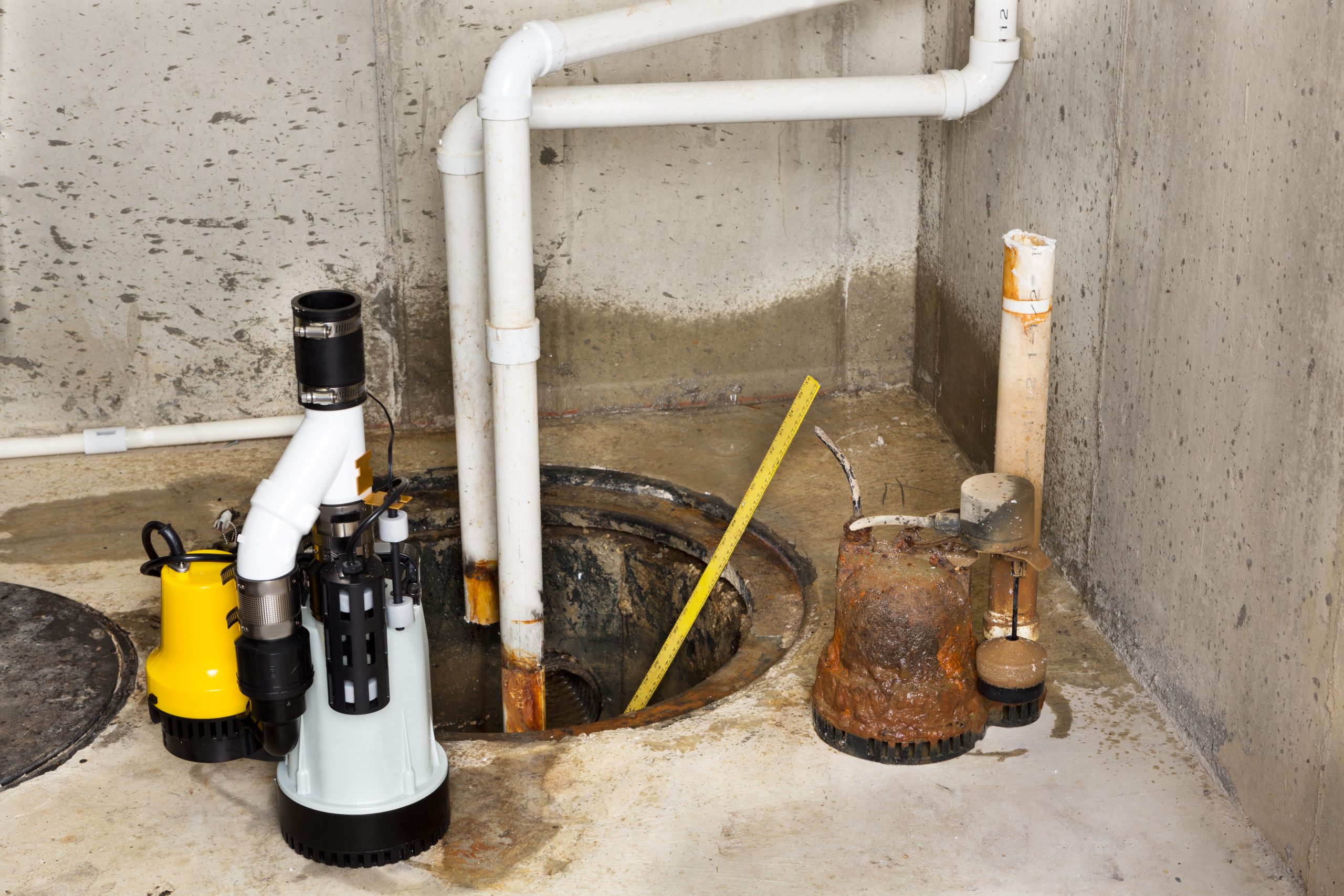
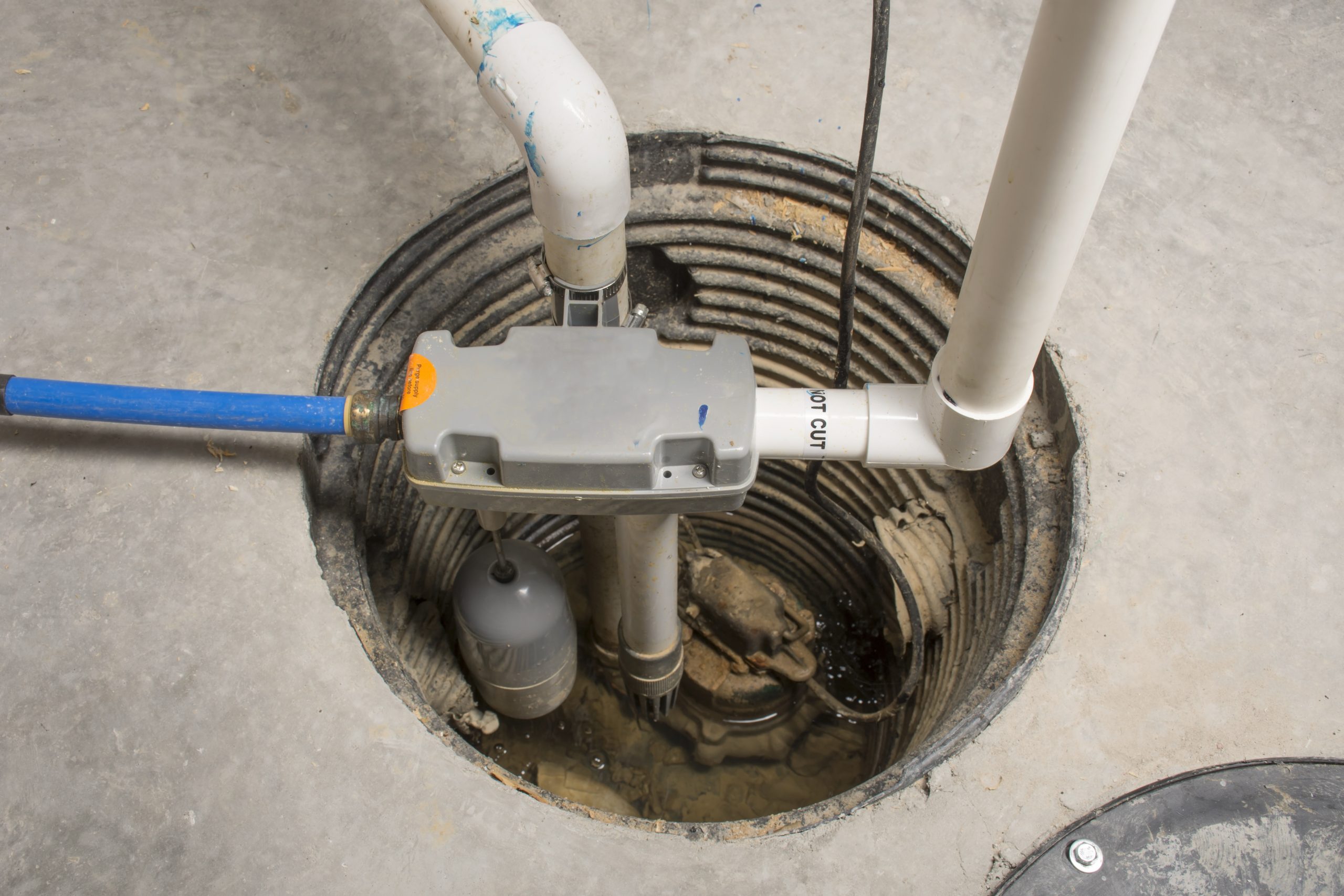
A sump pump sits in a sump pit — a hole dug in the lowest part of your basement floor. Its job is to collect groundwater that seeps into your basement through the foundation and pump it out and away from your home, typically through a discharge line that exits to your yard, storm drain, or other approved drainage point.
What goes in: Groundwater only; rainwater, snowmelt, and water that naturally migrates through the soil.
What comes out: Clean groundwater, discharged safely away from your home.
Where it drains: Outside; to a yard, storm drain, or dry well.
Sump pumps are your primary defense against basement flooding, especially during Chicago’s wet spring and summer seasons. Most homes with basements have one.
What Is an Ejector Pump?
An ejector pump (also called a sewage ejector pump) handles a completely different job. It’s used to push wastewater from your home’s plumbing fixtures (like a toilet, sink, shower, or laundry tub) out of the house and to the city’s main sewer line.
Because gravity can’t carry waste upward to the sewer, the ejector pump does it mechanically. Waste flows into a sealed sewage pit, and when it reaches a certain level, the pump activates and forces the waste up and into the main sewer line.
What goes in: Sewage and wastewater from basement fixtures.
What comes out: Waste, pumped up into the municipal sewer system.
Where it drains: Into your home’s main sewer line, then out to the city main.
How to Tell Them Apart
At a glance, both pumps sit in covered pits in your basement floor — but there are some key differences:
| Sump Pumps | Ejector Pumps | |
| Pit Cover | Usually open or vented | Always sealed/airtight |
| Pit Contents | Groundwater only | Sewage and wastewater |
| Discharge Line | Exits home to outside | Connects to city main sewer line |
| Smell | None | Sewage odor if seal is broken |
| Vent Pipe | Not required | Required, connects to plumbing vent |
The most reliable tell: the ejector pump pit will always have a sealed, airtight lid with a vent pipe attached. This seal is critical; the pit contains sewer gases that would otherwise enter your home. If that seal is ever broken or cracked, you may notice a sewage odor in your basement.
Can You Have Both?
Absolutely — and most Chicago homes do. Typically you’ll have both a sump pit and a sewage ejector pit located near each other in the utility area of your basement.
It’s important that these systems are kept completely separate. Groundwater should never enter the ejector pit, and sewage should never enter the sump pit. Cross-contamination can overwhelm the pumps, damage them prematurely, and create a health hazard.
Common Problems to Watch For
Sump pump issues:
– Pump runs but water doesn’t discharge (clog or frozen discharge line)
– Pump runs constantly (stuck float switch or overwhelmed system)
– No power backup — a major vulnerability during storm outages
– Visible rust or corrosion on pump components
Ejector pump issues:
– Sewage odor in the basement (broken pit seal or vent problem)
– Slow draining from basement fixtures
– Gurgling sounds when flushing a basement toilet
– Pump alarm activating (pit filling faster than the pump can keep up)
Both types of pump should be inspected annually — ideally before spring storm season in Chicago.
Not Sure What You Have? We Can Help.
If you’re not certain what’s in your basement — or if one of your pumps isn’t behaving the way it should — The Plumbing Department, Inc. can help. We specialize in basement plumbing systems throughout Chicago. Ask about our membership options for a whole-home plumbing inspection and 10% discount for a whole year!
Give us a call to schedule an inspection. We’ll make sure both your sump and ejector systems are properly maintained and ready to do their jobs.