



Why Chicago Sewers Need Maintenance Rodding
KEY TAKEAWAY
Chicago’s older clay sewer lines are especially vulnerable to tree root intrusion, buildup, and blockages over time. In multi-unit buildings, shared sewer systems face even greater risk from wipes, feminine products, grease, and other debris being flushed down drains. Routine maintenance rodding and periodic sewer camera inspections help prevent sewage backups, extend the life of the sewer line, and avoid costly repairs or replacements. A proactive sewer maintenance plan is one of the best ways Chicago homeowners and property managers can protect their property and plumbing system.
If you own a home or multi-unit property in Chicago, your sewer line is one of the most important systems on your property. Many homeowners don’t think about their sewer until there’s a problem, but by then, the damage can already be expensive, messy, and disruptive.
Routine maintenance rodding is one of the best ways to protect your sewer system, prevent backups, and extend the life of your pipes. In a city like Chicago, where aging infrastructure and tree root intrusion are incredibly common, preventative sewer maintenance is not just recommended, it’s essential.
Why Sewer Maintenance Is Especially Important in Chicago
Chicago’s sewer systems are unique. Many homes throughout the city still rely on older clay sewer lines, particularly in neighborhoods with historic housing. While clay pipes are overall very durable and reliable, they are highly susceptible to root intrusion over time.
Trees naturally seek moisture, and even the smallest crack or pipe joint can attract roots. Once roots enter the sewer line, they continue growing inside the pipe, eventually catching debris, restricting flow, and causing blockages.
Without regular maintenance, this can lead to:
- Slow drains throughout the home
- Frequent backups
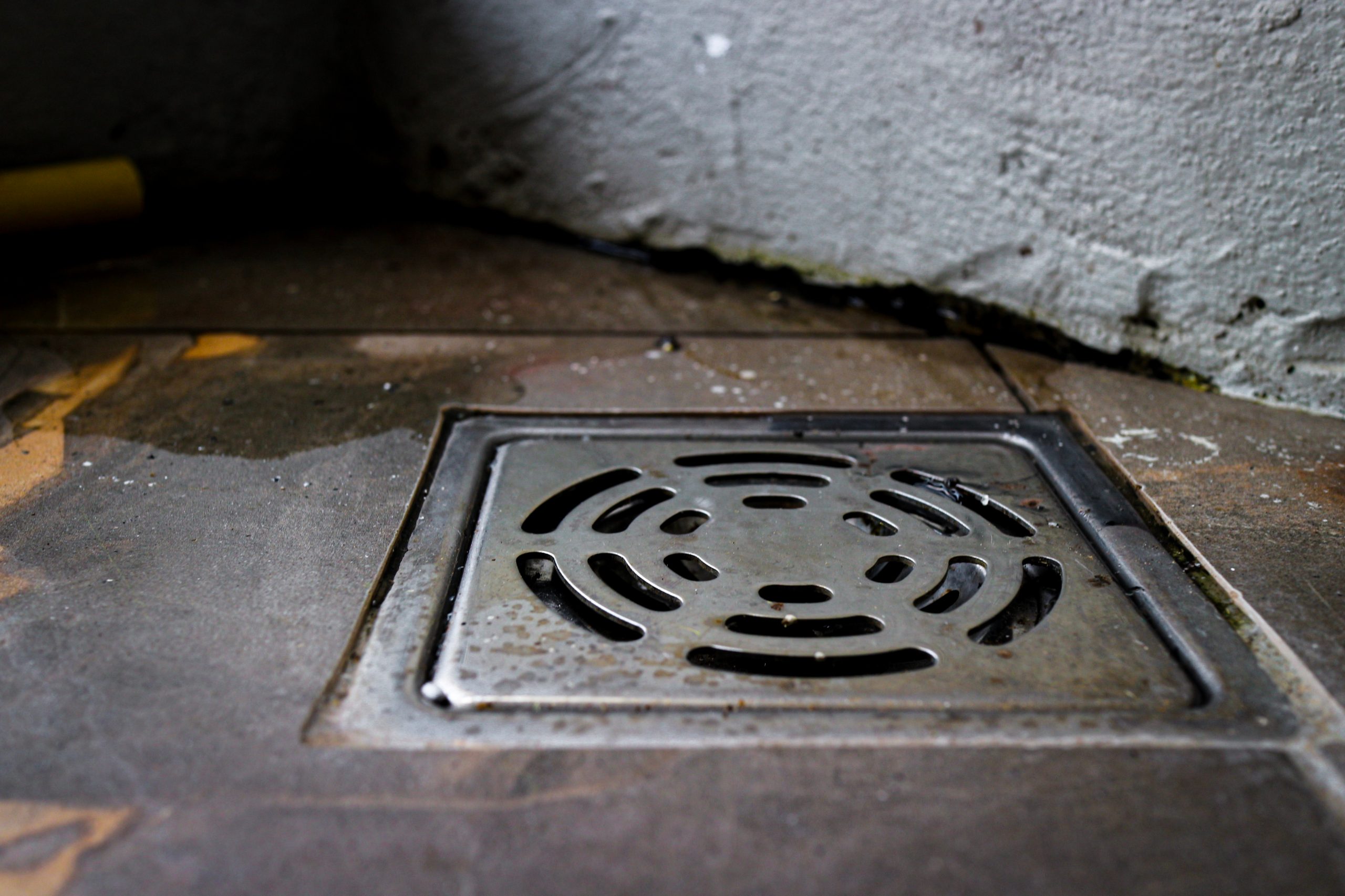
- Sewage coming up from basement floor drains
- Foul sewer odors
- Pipe collapses or breaks
- Expensive sewer repairs or replacements
Routine sewer rodding helps clear roots and buildup before they become major problems.
What Is Maintenance Rodding?
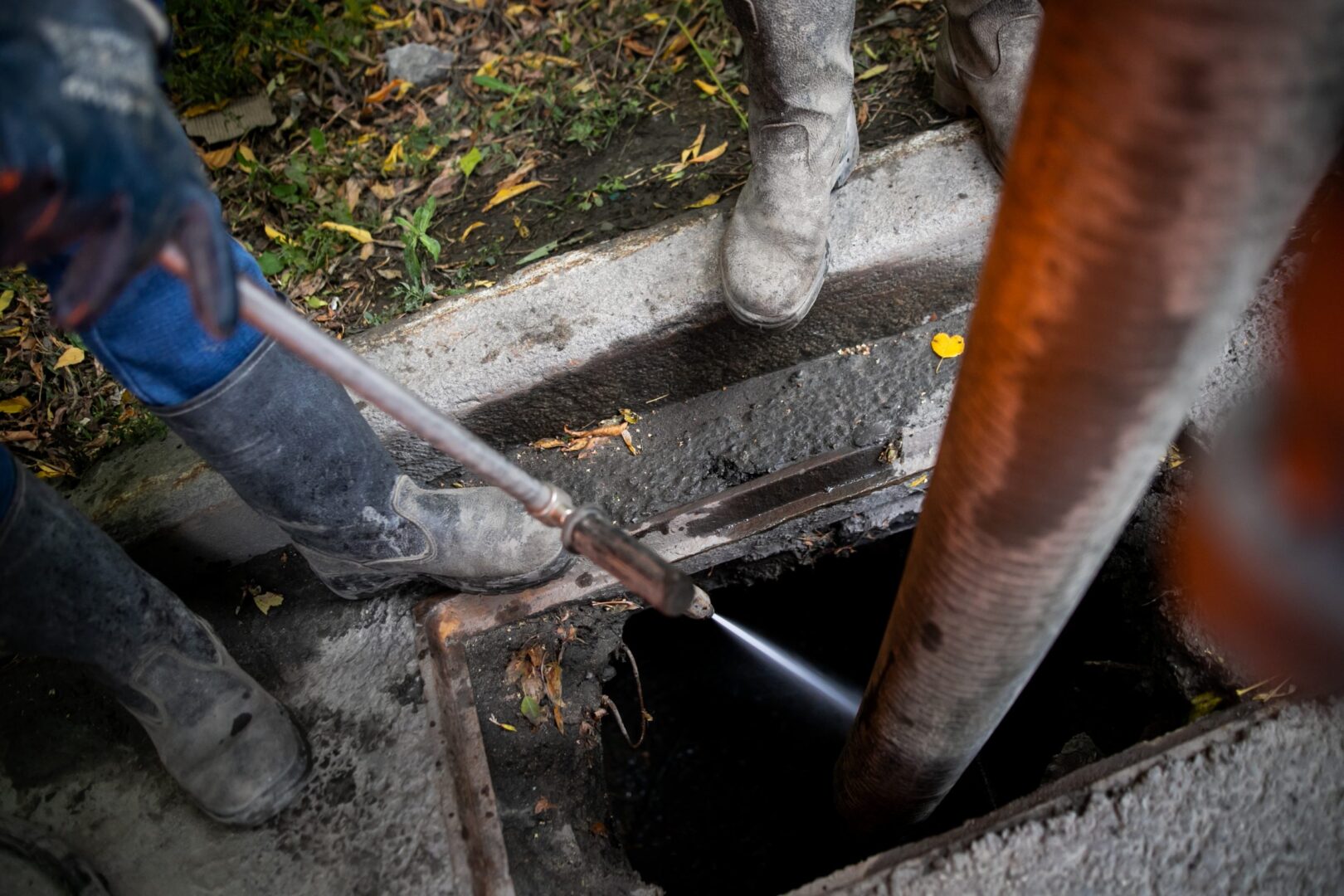
Maintenance rodding is the process of mechanically cleaning the inside of a sewer line using specialized equipment designed to cut through roots, grease, sludge, wipes, and other debris.
Unlike waiting for a sewer backup to occur, maintenance rodding is performed proactively to keep the line flowing properly year-round.
For many Chicago homes, especially older properties, regular sewer rodding should be considered part of routine home maintenance — just like servicing a furnace or cleaning gutters.
Multi-Unit Buildings Need Extra Sewer Care
Chicago is filled with two-flats, three-flats, courtyard buildings, and condos that share building drains and sewer lines. In multi-unit properties, sewer maintenance becomes even more important because multiple households are using the same system every day.
Unfortunately, property owners often have little control over what tenants or neighbors flush down drains and toilets.
Common causes of sewer blockages in multi-unit buildings include:
- “Flushable” wipes
- Feminine hygiene products
- Paper towels
- Grease buildup
- Excess toilet paper
- Foreign objects accidentally flushed
Even if one resident is careful, it only takes one person flushing inappropriate items to create a major blockage for the entire building.
Routine maintenance rodding helps remove buildup before it creates a backup that affects multiple units.
Preventing Sewage Backups Saves Thousands
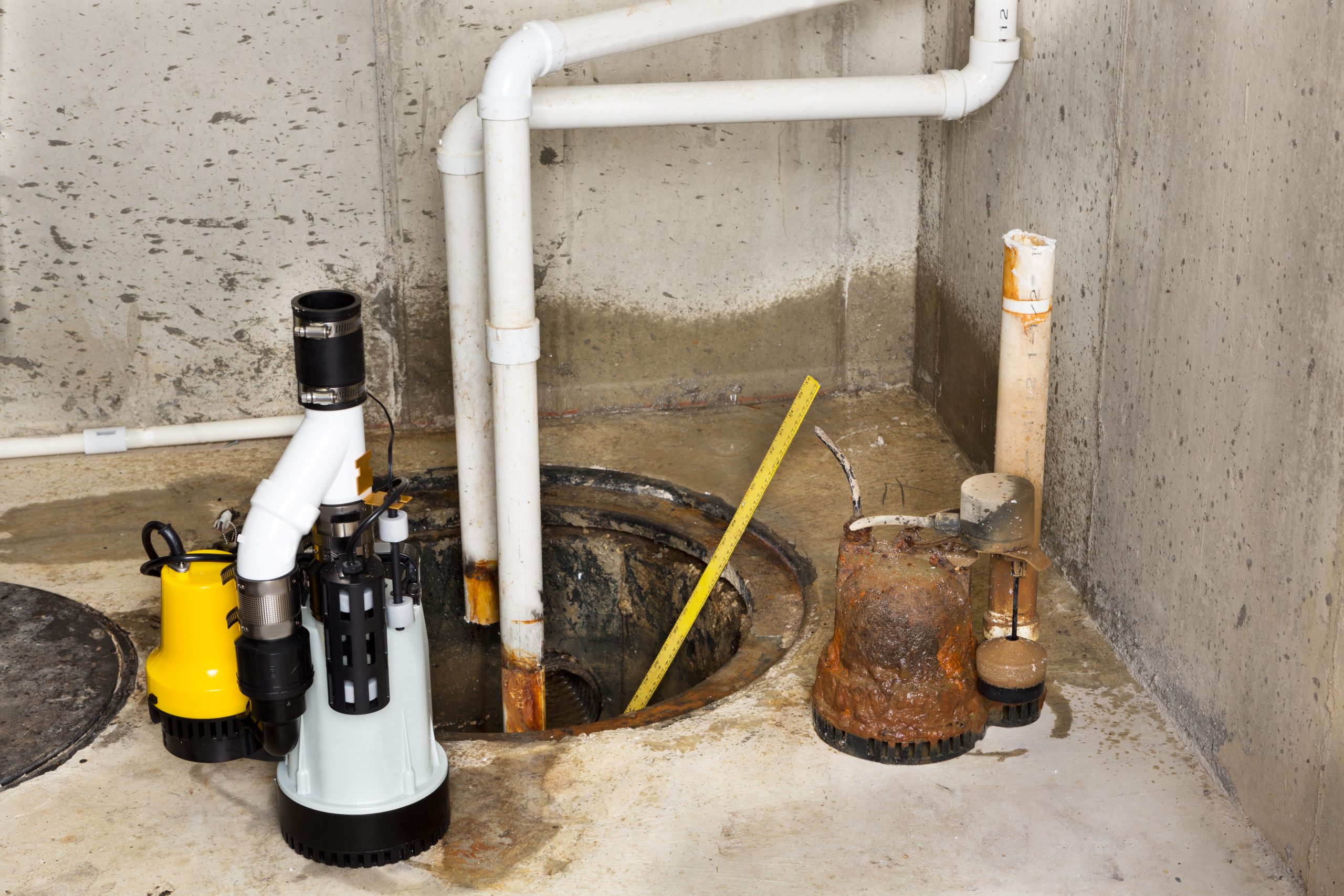
A sewer backup is more than just inconvenient — it can cause significant property damage and create serious sanitation concerns.
Basement sewage backups can damage:
- Flooring
- Drywall
- Personal belongings
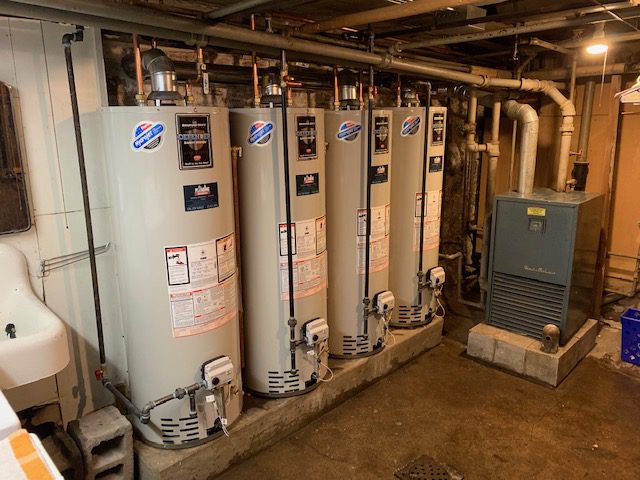
- Water heaters and furnaces
- Laundry areas
- Finished basements
Cleanup and restoration costs can quickly climb into the thousands, especially if contaminated water affects finished living spaces.
Preventative sewer maintenance is almost always far less expensive than emergency sewer repairs and restoration after a backup.
Tree Roots Can Cause Permanent Sewer Damage
One of the biggest risks with neglected clay sewer lines is that root intrusion does not stop on its own.
Over time, roots can:
- Widen cracks in clay pipes
- Separate pipe joints
- Cause pipe collapses
- Create recurring blockages
- Lead to underground voids and settling
If caught early, maintenance rodding and monitoring can often extend the life of an aging sewer line. Ignoring root intrusion, however, can eventually lead to a full sewer replacement.
Why Sewer Camera Inspections Matter
Routine sewer camera inspections are one of the best tools for understanding the condition of your sewer line.
A professional sewer camera inspection allows plumbers to identify:
- Root intrusion
- Cracks or breaks
- Bellied or sagging pipes
- Heavy buildup
- Offset joints
- Recurring blockage locations
For many Chicago properties, annual or biennial camera inspections are highly recommended — especially for older homes and multi-unit buildings.
Camera inspections help create a customized maintenance plan based on the actual condition of the sewer line rather than waiting for an emergency to happen.
How Often Should Chicago Sewers Be Rodded?
The ideal maintenance schedule depends on several factors, including:
- Age of the sewer line
- Pipe material
- Presence of trees near the sewer
- Number of residents
- History of backups
- Whether the property is single-family or multi-unit
Some properties benefit from annual maintenance rodding, while others may need service every 6–9 months if roots or heavy usage are recurring issues.
A sewer camera inspection can help determine the best maintenance schedule for your property.
Signs Your Sewer Line May Need Maintenance
You may benefit from sewer maintenance rodding if you notice:
- Slow drains throughout the building
- Gurgling toilets or drains
- Recurring clogs
- Water backing up at basement floor drains
- Sewer odors
- Frequent drain cleaning calls
- Large trees near your sewer line
- An older clay sewer system
Even if you are not currently experiencing a backup, preventative maintenance can help avoid future emergencies.
Protect Your Chicago Sewer Line Before Problems Start
Chicago’s aging sewer infrastructure, clay sewer pipes, and dense multi-unit housing make preventative sewer maintenance incredibly important for homeowners and property managers alike.
Routine sewer rodding and periodic camera inspections can help:
- Prevent sewage backups
- Remove damaging root intrusion
- Reduce emergency plumbing calls
- Extend the life of your sewer line
- Avoid costly sewer replacements
- Protect your property and tenants
Waiting until your sewer backs up often means more damage, more stress, and higher repair costs. A proactive maintenance plan helps keep your sewer system flowing safely and efficiently year-round.